Thinking about trading yard work for more free time without leaving Suffolk County? If a lower‑maintenance lifestyle appeals to you, Coram’s condos and townhouses can deliver convenience, value, and community. You still want space, good access to transit, and predictable monthly costs. In this guide, you’ll learn how ownership works, what HOA fees usually cover, the amenities you can expect, commute options, and the smart steps to take before you buy. Let’s dive in.
Why consider Coram condos and townhomes
Coram sits in central Suffolk County with quick access to Middle Country Road for shopping and daily errands. Attached homes here often price below comparable single‑family houses, which can help first‑time buyers and downsizers stay on budget. In June 2025, Coram’s median sold price was about $515,000, reflecting island‑wide price pressure while still offering a range of options by building and community type. You should confirm current comps, but this gives a helpful snapshot of the area’s trajectory according to the local market report for Coram’s ZIP. The Rocket market summary for June 2025 provides that context.
You also get lifestyle perks that reduce weekly chores. Many communities handle landscaping, snow removal, and exterior maintenance. If you like the idea of a pool or clubhouse without the upkeep, condo and townhouse living can fit your routine.
Location and commute at a glance
Coram’s central position makes regional travel straightforward. You are a short drive to the Ronkonkoma LIRR hub, which offers frequent trains to Manhattan with typical one‑seat ride times around 70 to 90 minutes depending on the train and time of day. Check schedules in the LIRR TrainTime app or the MTA timetable before you set expectations. For station details and links to schedules, visit the MTA’s Ronkonkoma Station page.
If you fly periodically, Long Island MacArthur Airport is also in the Ronkonkoma area. That proximity can make quick trips and visiting family a little easier.
What ownership really means
Condominiums in New York
When you buy a condo, you usually own your interior unit and share ownership of common elements like roofs, grounds, and amenities. Rules are set by a recorded declaration and bylaws, with enforcement by a board or association. New York’s Condominium Act outlines many of the legal mechanics, so it is wise to understand how your community defines responsibilities and costs. You can read the statutory framework in New York’s Condominium Act, Article 9‑B.
Townhouses and HOAs
“Townhouse” describes the building style, not a single legal form. On Long Island, a townhouse can be fee‑simple with an HOA for shared services or organized as a condo where the association manages certain exterior elements. Always confirm what the deed and association documents say about exterior maintenance, roofs, and driveways so you know what you are paying for each month.
Co‑op vs. condo basics
Co‑ops are less common in this part of Suffolk, but you may see them nearby. In a co‑op, you purchase shares and receive a proprietary lease instead of a deed. Boards typically have broader screening and sublet rules than condo associations. For a clear, plain‑English overview of differences and required documents like offering plans and bylaws, use the New York State Attorney General’s buyer guidance.
What HOA fees usually cover
Most condo and townhouse fees fund the services that keep the community running. Budgets vary, but it helps to know what is typical.
- Common area care: landscaping, snow removal, internal road repairs, and exterior building work where applicable.
- Amenities: pool, clubhouse, fitness rooms, and playgrounds if offered.
- Insurance: a master policy for common elements and association liability.
- Management and reserves: professional management, accounting, and savings for future capital projects.
Consumer overviews show broad fee ranges, often from the low hundreds into several hundred dollars depending on building type and amenities. Townhouse communities with fewer amenities can trend lower, while full‑service condos may be higher. For a helpful range explanation, see Bankrate’s HOA fee overview.
Reserves and special assessments
Healthy associations save for big‑ticket items like roofs, paving, and siding. A formal reserve study often guides this planning. If reserves are too low, boards may levy a special assessment to cover large projects. Reviewing the operating budget, reserve study, and meeting minutes is one of the best ways to gauge the community’s financial posture. The Community Associations Institute offers helpful education on reserves, governance, and best practices you can use to frame your review.
Insurance layers you should confirm
There are two parts to your insurance picture. The association’s master policy covers common property according to the community’s documents, and your HO‑6 condo or townhouse policy fills interior and personal property gaps. You will also want to understand the association’s deductible and whether the governing docs require owners to carry loss‑assessment coverage. For a clear consumer breakdown of master policies and HO‑6 coverage, read this insurance guide.
Amenities you are likely to see
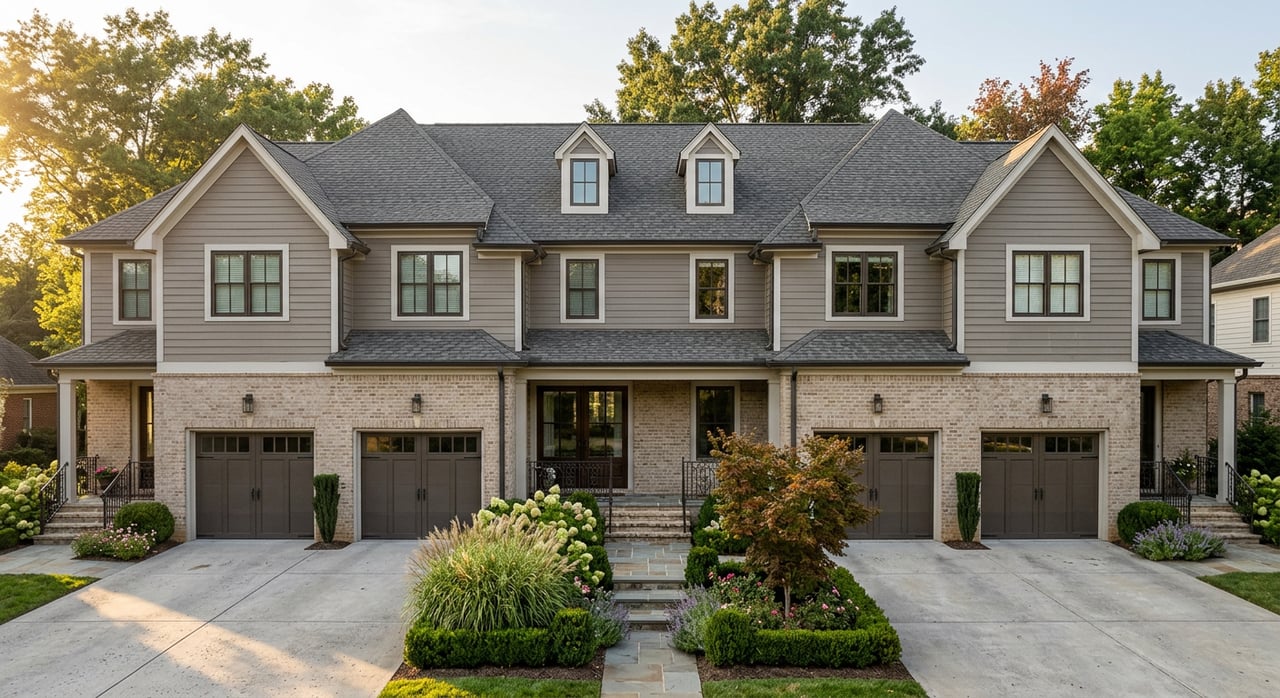
Coram’s attached communities commonly advertise features that make daily life easier. Listings often highlight community pools, small clubhouses or multi‑purpose rooms, playgrounds, assigned parking or garages, and handled landscaping and snow removal. These amenities vary by development and budget, but the mix is easy to spot in local property descriptions. For a representative example of the product type and amenity bundle, browse a Coram townhouse community overview on Apartments.com.
Always verify what your specific HOA includes, when pool seasons run, whether there are guest parking rules, and which utilities are owner‑paid versus common.
Rules and governance to expect
Each community runs on a recorded declaration, bylaws, and a set of rules and regulations. These outline how boards are elected, how meetings work, and day‑to‑day rules for parking, noise, common‑area use, and exterior changes. Before you make an offer, read the documents to understand any limitations. New York’s Condominium Act provides the statutory backdrop, while the NY Attorney General’s buyer guide highlights the critical documents buyers should review.
Common restrictions include parking assignments and guest policies, pet rules by size or number, limits on exterior modifications such as windows or patios, and subletting rules or minimum residency requirements. If you plan to rent in the future, rental caps or short‑term rules can affect resale and lender options. Be sure to ask for recent meeting minutes and any pending litigation disclosures so you understand the community’s current issues.
Who condo and townhouse living fits
Downsizers
If you want less upkeep without sacrificing comfort, attached homes can simplify life. Landscaping, snow removal, and exterior projects are often handled for you. Some 55+ options in the area provide a quieter setting with age‑qualified occupancy rules. Just make sure reserves and the budget are strong enough to avoid surprise assessments as buildings age.
Busy professionals
If you value time, a condo or townhome can reduce weekend chores and keep household tasks predictable. Proximity to Ronkonkoma Station supports hybrid commuting or occasional trips to Manhattan. Confirm real door‑to‑door times, parking availability, and schedule options by checking the MTA station information before you commit.
First‑time buyers
Attached homes often offer a more affordable entry point than many single‑family alternatives in the same area. That predictability can help with budgeting for your first purchase. Lenders will review the association’s financials, reserves, and any litigation, so gather documents early and be ready to answer underwriter questions using the NY AG’s buyer checklist.
Smart due‑diligence checklist
Before you finalize a purchase, collect and review these items with your attorney, lender, and insurance agent:
- Governing docs: declaration, bylaws, and rules to confirm what the association covers versus the owner’s responsibilities. See the framework in New York’s Condominium Act.
- Current budget and latest reserve study to gauge savings for capital projects. The Community Associations Institute explains why reserve planning matters.
- Meeting minutes for the last 12 to 24 months to spot repeated maintenance issues, vendor disputes, or talk of assessments. The NY AG guidance flags minutes as key.
- Master insurance declarations and certificate of insurance to confirm coverage type and deductibles. For a consumer walk‑through of master versus HO‑6, see this condo insurance primer.
- Rental and occupancy policies, including any rental caps or short‑term rules. The AG guide explains why this affects financing and resale.
- Litigation disclosures and recent legal invoices to understand risks and potential costs. Refer again to the AG buyer guidance.
- Resale certificate or estoppel letter to confirm fees due at closing and any outstanding assessments.
- Management contact and vendor contracts for landscaping, snow removal, and pool service to benchmark costs. The CAI resource center outlines best practices.
- Special assessment ballots, insurance claims history, and any engineering reports for roofs, roads, or drainage.
- Lender underwriting criteria for the association, including owner‑occupancy and reserve requirements, to avoid loan surprises. The AG guide notes these checkpoints.
Taxes and school district notes
Property taxes are a key part of monthly carrying costs on Long Island. Suffolk County’s full‑value tax rates are published by New York State and vary by municipality and school district. For high‑level comparisons, review the state’s county tax rate summaries, then confirm the exact tax bill for any specific unit you are considering.
School district boundaries in Coram cross into multiple districts. If school zoning is part of your decision, verify a property’s district on the official map and confirm directly with the district. The Census provides a Suffolk County school district reference map for orientation.
Your next step in Coram
If condo or townhouse living in Coram feels like the right fit, get a clear picture of the documents, fees, and commute that match your lifestyle. We will help you compare communities, review key association materials, and align your financing so you can move forward with confidence. To start a focused search or get answers to your questions, connect with Jonathan Chandler. Let’s make your next move simple and successful.
FAQs
How do HOA fees in Coram condos typically compare?
- Fees vary by community, building age, and amenities. Consumer overviews show many HOA fees ranging from the low hundreds into several hundred dollars per month, with pools, clubhouses, and full exterior maintenance often on the higher end. See Bankrate’s guide for what drives costs.
What is the train commute from Coram to Manhattan like?
- Most residents drive to Ronkonkoma Station, then ride a one‑seat train to Midtown in roughly 70 to 90 minutes depending on schedule. Always check the MTA’s Ronkonkoma page or the TrainTime app for exact times and parking details.
Are pets allowed in Coram condo or townhouse communities?
- Pet rules are set by each association and can include size, breed, and number limits. Review the governing documents and ask for written policies before you buy. The NY AG buyer guidance explains where to find these rules.
What insurance do I need for a condo or townhouse?
- Your association carries a master policy for common elements, while you carry an HO‑6 policy for interior finishes, personal property, liability, and loss‑assessment coverage if required. For a plain‑English overview, see this condo insurance guide.
Are condos and townhouses in Coram a good option for first‑time buyers?
- Many first‑timers find them a practical entry into homeownership due to comparatively lower prices than some single‑family homes and predictable exterior maintenance. The local market report showed a June 2025 median sold price around $515,000, though pricing varies by community. Lenders also review association financials, so gather docs early using the AG’s buyer checklist.